September 28, 2026
A professional metal fabrication project begins with a clear understanding of what the finished component or structure needs to accomplish. An experienced metal fabricator will review dimensions, intended applications, material requirements, tolerances, connection points, and other specifications before production begins. This initial review helps establish the scope of the work and identifies details that could affect fabrication methods or final performance. It also creates an opportunity to clarify project requirements before materials are cut, formed, welded, or assembled.
Detailed planning can be particularly important when fabricated components must integrate with existing structures, machinery, or other parts. Measurements and specifications provide a foundation for determining how individual fabrication steps should be coordinated. Reviewing these details at the beginning can also help identify potential conflicts before production progresses. This organized approach keeps the finished product aligned with the intended application.
Select Appropriate Materials and Processes
Material selection can influence strength, appearance, durability, weight, corrosion resistance, and overall performance. Depending on the application, fabrication may involve materials such as carbon steel, stainless steel, aluminum, or other metal products with distinct characteristics. An experienced metal fabricator can evaluate the project's requirements and determine which materials and fabrication processes are appropriate. Cutting, bending, forming, welding, machining, and finishing may each play a role depending on the final design.
Maintain Accurate Measurements and Tolerances
Precision is an important part of professional fabrication because even small dimensional differences can affect how components fit together. Measurements, angles, hole locations, cut lengths, and other specifications may need to remain within defined tolerances throughout production. A metal fabricator uses appropriate equipment and established procedures to maintain dimensional consistency. This attention to detail becomes especially important when fabricated parts must connect with existing equipment or other manufactured components.
Apply Skilled Cutting and Forming Techniques
Metal fabrication often involves transforming raw material into specific shapes and dimensions. Cutting methods may vary according to material type, thickness, geometry, and production requirements. Forming and bending processes similarly require careful control to achieve the intended shape without compromising the material. A knowledgeable fabrication professional understands how these processes affect the finished component.
Produce Consistent Welding and Assembly
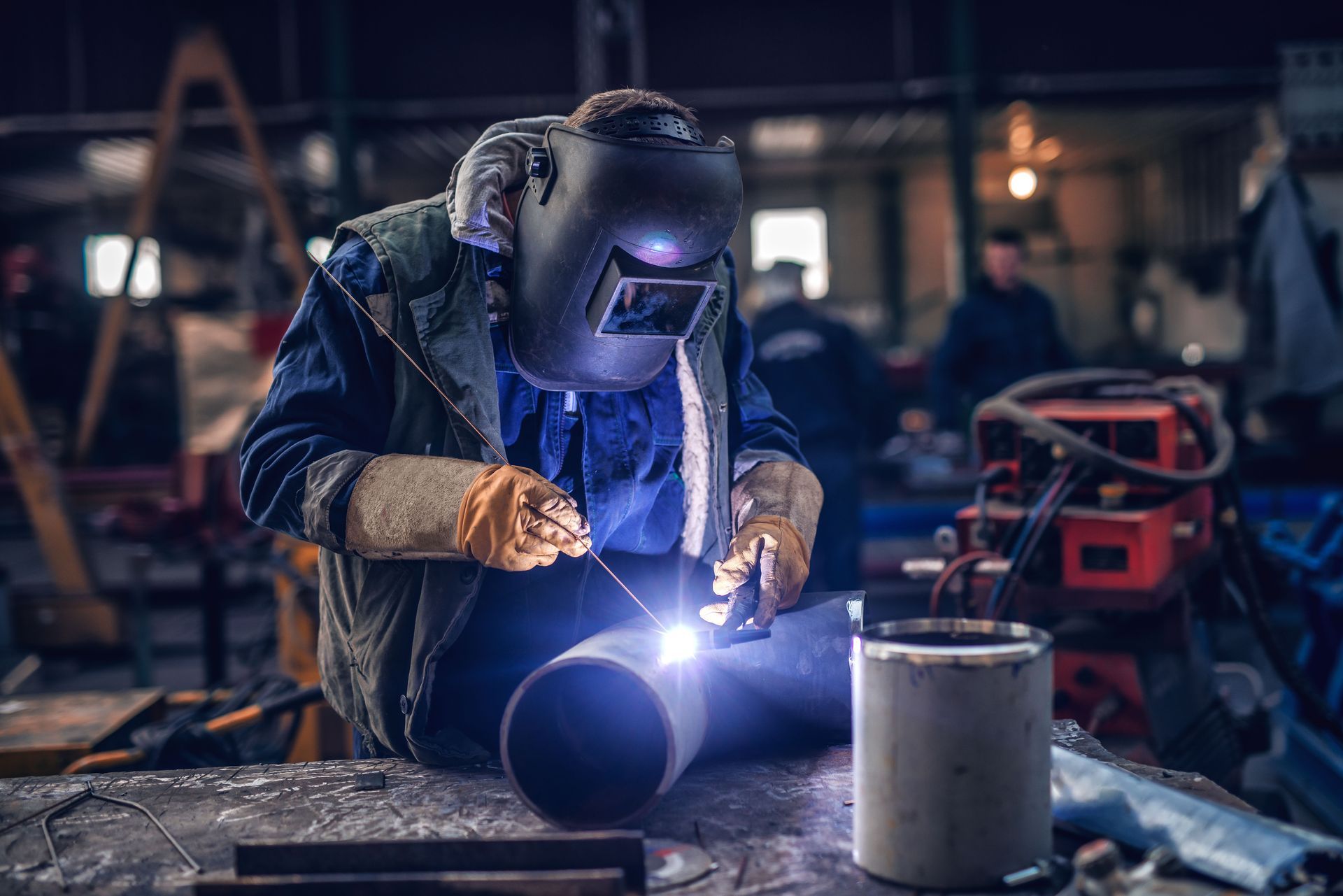
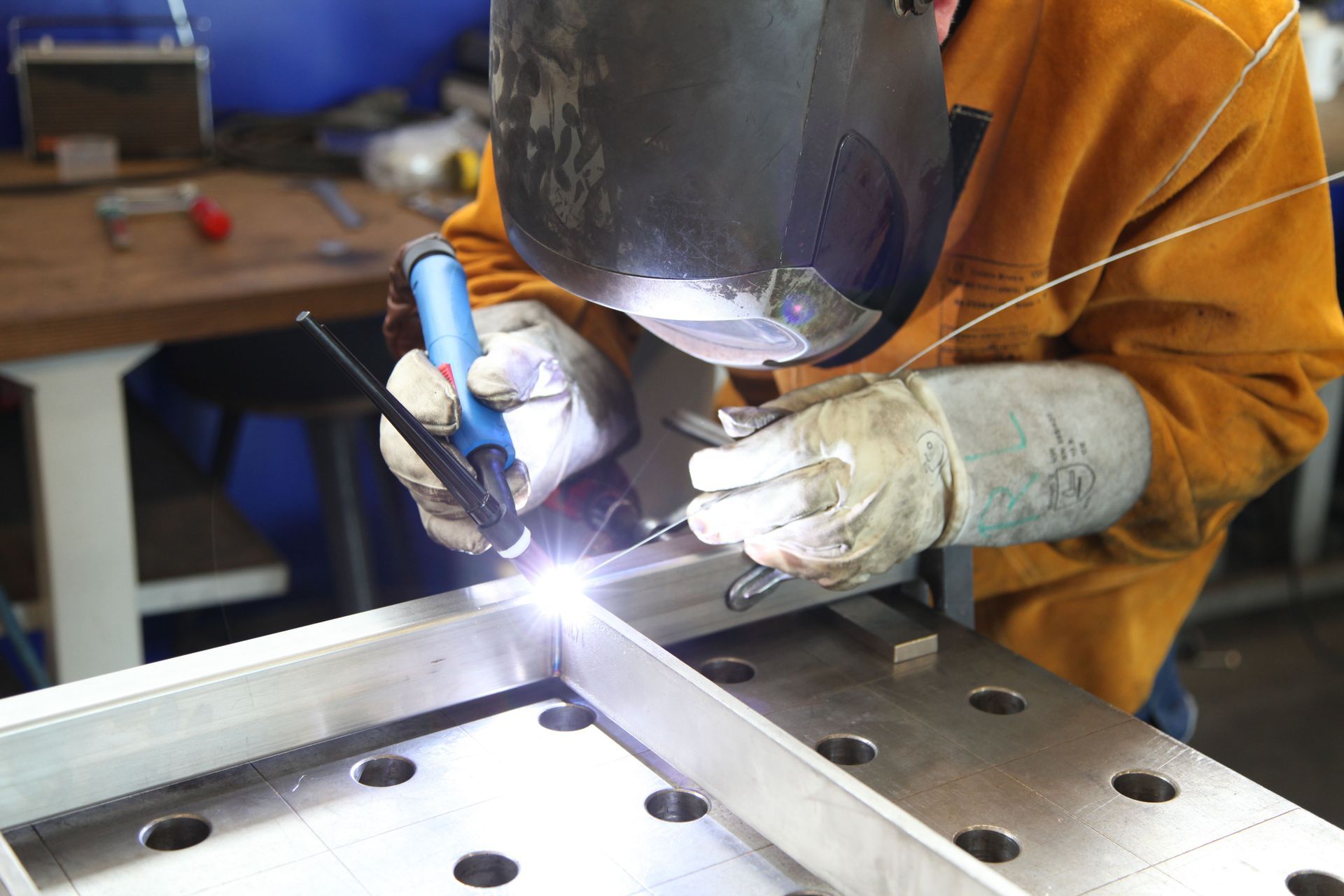
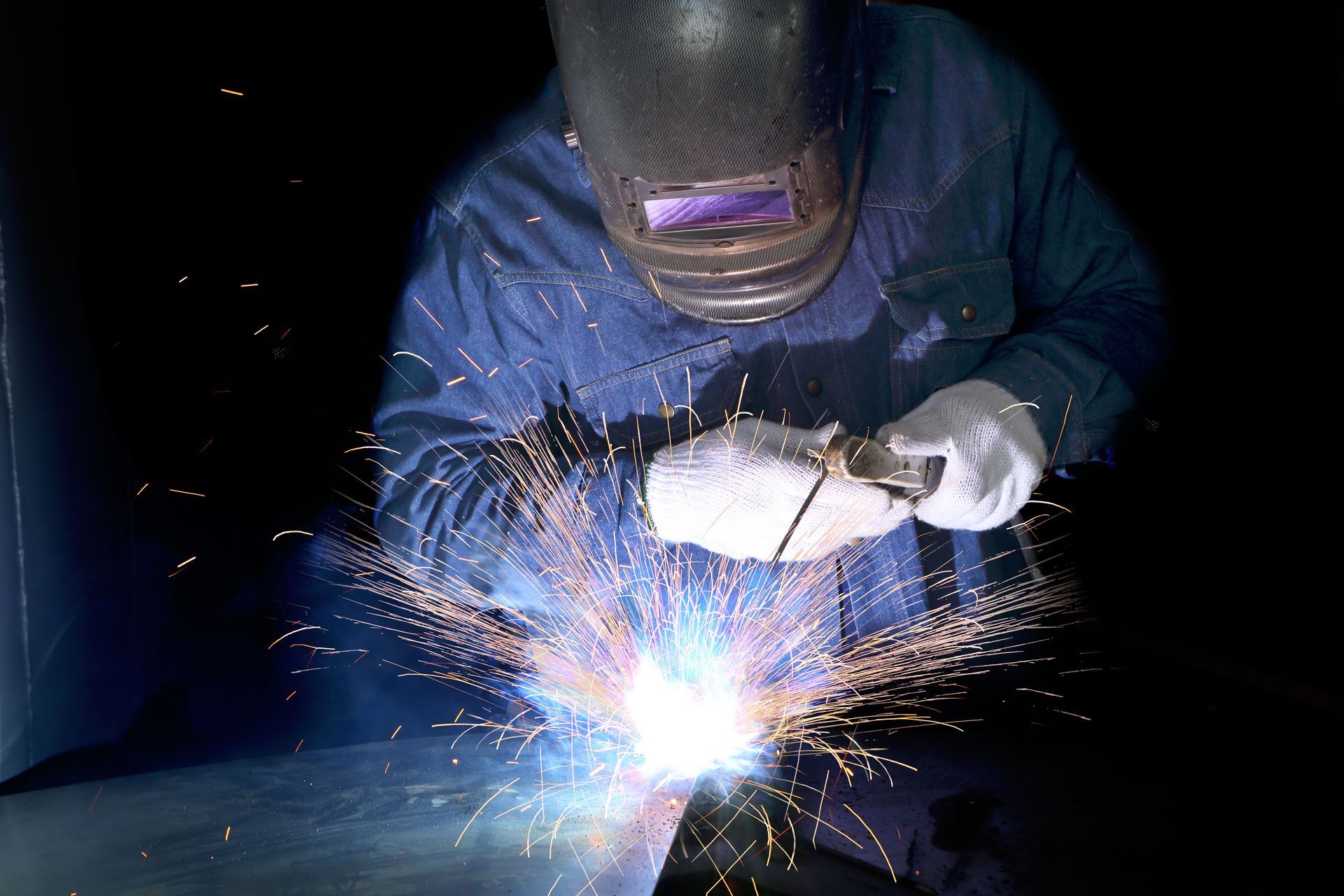
Welding and assembly can determine how individual pieces become a functional finished product. Different applications may require different welding processes, joint configurations, and preparation methods. A skilled metal fabricator considers the material, thickness, joint design, and intended use when determining an appropriate approach. Proper preparation and controlled execution can contribute to strong, consistent connections.
Assembly also requires attention to alignment and fit. Components may need to be positioned precisely before they are permanently joined, particularly when a finished assembly must meet specific dimensions. Experienced professionals account for these considerations during fabrication rather than waiting until final assembly to discover problems. The result is a more coordinated production process and a finished product designed around the original specifications.
Apply Appropriate Finishing Methods
Finishing can serve both functional and visual purposes. Depending on the project, a finished metal component may require grinding, polishing, coating, painting, or another treatment after fabrication. The appropriate finish depends on the material, intended appearance, exposure conditions, and performance requirements. A metal fabricator can identify finishing considerations early so they are incorporated into the overall production plan.
Surface preparation is also important because the condition of the metal can affect how a coating or other finish performs. Fabrication marks, weld areas, edges, and other surfaces may require specific preparation before finishing. Coordinating these steps helps create a finished component with a consistent appearance and appropriate surface characteristics. It also keeps finishing from becoming an isolated step disconnected from the rest of the fabrication process.
Follow Quality Control and Safety Practices
Professional fabrication involves more than producing a component that looks correct. Quality control procedures help verify that dimensions, welds, finishes, materials, and other project requirements are addressed consistently. Inspections may occur during multiple stages of production, allowing potential issues to be identified before they affect later work. This structured approach is particularly valuable when fabricated components have precise specifications or important functional roles.
Safety practices are equally important in a professional fabrication environment. Metalworking can involve heavy materials, high temperatures, machinery, sharp edges, and other workplace hazards. Established procedures, appropriate equipment, and trained personnel help manage these risks during production. According to the Bureau of Labor Statistics, the U.S. fabricated metal product manufacturing sector employed approximately 1.43 million people in early 2026, demonstrating the substantial scale of the industry and its workforce.
Coordinate Communication and Project Details
Clear communication helps keep fabrication projects aligned with their original objectives. A metal fabricator should be able to discuss specifications, materials, production considerations, and other relevant details throughout the project. When requirements change, those changes should be communicated clearly so that production decisions remain coordinated. This is particularly important for custom work where the final product must match a specific application or design.
Project communication can also help clarify scheduling and delivery considerations. Fabrication may involve multiple stages, and certain components may depend on information or materials being available at the appropriate time. Maintaining clear project details helps reduce confusion as work progresses. A professional approach keeps the fabrication process connected to the larger goals of the project.
Manage Custom Fabrication Challenges
Custom metalwork can present challenges that are not encountered in standardized production. Unusual dimensions, complex geometries, specialized materials, tight tolerances, or unusual installation conditions may require additional planning. An experienced metal fabricator can assess these factors and determine how they affect the production process. This ability to adapt is particularly valuable when a project cannot be addressed with a standard component.
Problem-solving should remain grounded in the project's requirements. Rather than changing specifications without consideration, a fabrication professional can evaluate alternative processes or approaches that preserve the intended function. Collaboration may be necessary when design details, material availability, or installation requirements create constraints. Careful planning allows custom work to remain precise while addressing the practical realities of fabrication.
Deliver Reliable Results and Professional Service
A professional fabrication experience should provide more than a completed metal component. It should include organized planning, careful production, attention to specifications, and communication throughout the project. The goal is to produce work that fits the intended application and reflects the requirements established at the beginning. Consistency across these stages can make the overall fabrication process easier to coordinate.
For projects involving multiple components, consistency across every piece can be especially important. A
metal fabricator can coordinate dimensions and production details so related parts are prepared according to the same specifications. This helps maintain compatibility when components are assembled, installed, or incorporated into a larger system. Clear documentation and communication can further support consistency when fabrication work involves several stages or production requirements. It can also help maintain continuity when several fabricated parts must work together within one finished assembly.
When your project requires custom metalwork, working with an experienced fabrication company can help ensure that material selection, measurements, production methods, welding, finishing, and quality control are considered together. C&G METAL FABRICATION INC can help you move from project specifications to completed metal components with a process centered on your application's requirements. Our team can discuss the details of your project, evaluate fabrication considerations, and coordinate the production steps needed for your metalwork. Contact C&G METAL FABRICATION INC to discuss your project and learn how we can assist with your fabrication needs.